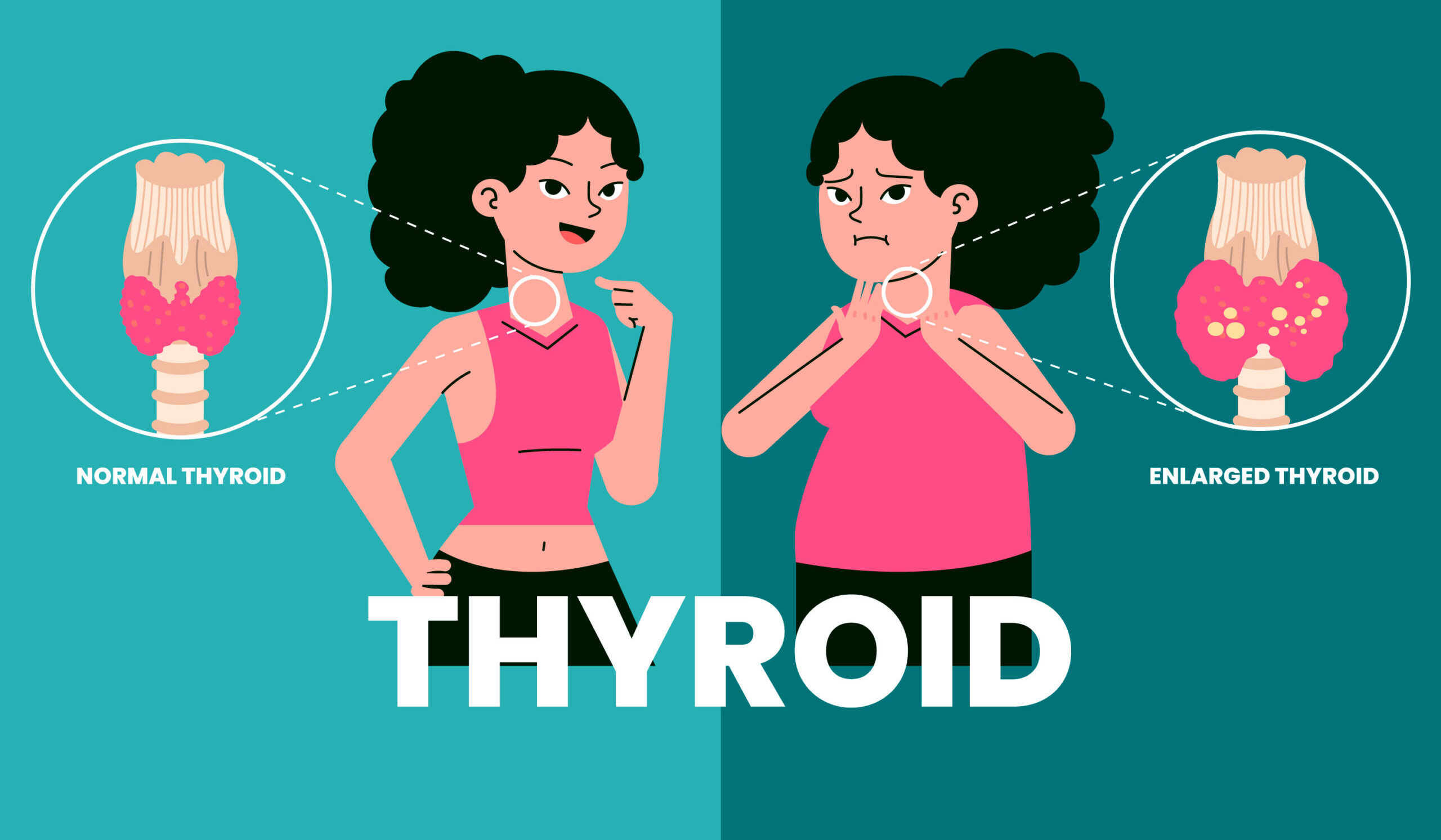
Hypothyroidism is one of the most common endocrine disorders, especially among women. It occurs when the thyroid gland fails to produce adequate thyroid hormones, leading to a slowing of metabolic processes throughout the body. While medication remains the cornerstone of treatment, nutrition plays a crucial supportive role in improving symptoms, metabolic health, and overall quality of life.
This blog explains the physiology of hypothyroidism, its metabolic impact, and how medical nutrition therapy (MNT) and dietary strategies can help manage this condition effectively under medical supervision.
Understanding the Physiology of Hypothyroidism
The thyroid gland produces two primary hormones:
- Thyroxine (T4)
- Triiodothyronine (T3)
These hormones regulate:
- Basal metabolic rate
- Energy production
- Body temperature
- Lipid and carbohydrate metabolism
- Heart rate and digestion
What Goes Wrong in Hypothyroidism?
In hypothyroidism:
- The thyroid gland produces insufficient T4 and T3
- The pituitary gland increases TSH (Thyroid Stimulating Hormone) in an attempt to stimulate hormone production
- Cellular metabolism slows down
Common Causes
- Autoimmune thyroiditis (Hashimoto’s disease) – most common
- Iodine deficiency (less common today)
- Post-thyroid surgery or radioiodine therapy
- Certain medications
- Post-partum thyroiditis
Metabolic and Physiological Effects of Hypothyroidism
Due to reduced thyroid hormone action, several body systems are affected:
- Reduced metabolic rate → weight gain despite normal or low intake
- Impaired lipid metabolism → high LDL cholesterol and triglycerides
- Altered carbohydrate metabolism → insulin resistance risk
- Decreased gut motility → constipation and bloating
- Reduced thermogenesis → cold intolerance
- Fluid retention → facial puffiness and edema
- Fatigue and muscle weakness due to reduced mitochondrial activity
These metabolic disturbances highlight why dietary intervention is essential alongside medication.
Medical Nutrition Therapy (MNT) in Hypothyroidism
Medical Nutrition Therapy aims to:
- Support thyroid hormone synthesis and conversion
- Improve metabolic efficiency
- Reduce inflammation and autoimmune activity
- Prevent nutrient deficiencies
- Manage weight and dyslipidemia
Key Goals of MNT
- Optimize nutrient intake critical for thyroid function
- Improve insulin sensitivity
- Support gut health and digestion
- Reduce fatigue and inflammation
- Enhance medication effectiveness
How Diet Helps in Hypothyroidism Management
1. Nutrients Essential for Thyroid Function
Iodine
- Required for thyroid hormone synthesis
- Sources: iodized salt (moderate use), dairy, eggs, seafood
- Excess iodine can worsen autoimmune thyroid disease, so balance is crucial
Selenium
- Essential for conversion of T4 → T3
- Supports antioxidant defense of thyroid tissue
- Sources: Brazil nuts, sunflower seeds, eggs, fish
Zinc
- Involved in hormone synthesis and immune regulation
- Sources: nuts, seeds, whole grains, eggs, legumes
Iron
- Required for thyroid peroxidase enzyme activity
- Deficiency can impair hormone production
- Sources: green leafy vegetables, legumes, eggs, lean meats
2. Supporting T4 to T3 Conversion Through Diet
Poor liver function, inflammation, and nutrient deficiencies can reduce conversion of inactive T4 to active T3.
Dietary strategies include:
- Adequate protein intake
- Anti-inflammatory foods (turmeric, ginger, omega-3 fats)
- Avoiding excessive calorie restriction
- Supporting gut and liver health
3. Role of Diet in Weight Management
Weight gain in hypothyroidism is not solely due to overeating but due to:
- Reduced basal metabolic rate
- Fluid retention
- Insulin resistance
A thyroid-friendly diet focuses on:
- Low glycemic index carbohydrates
- Adequate protein to preserve lean mass
- Healthy fats to reduce inflammation
- Portion control rather than extreme restriction
Crash dieting can further suppress thyroid function, so a structured, balanced plan is essential.
4. Gut Health and Hypothyroidism
The gut and thyroid are closely connected:
- 20–30% of T4 to T3 conversion occurs in the gut
- Dysbiosis can worsen inflammation and autoimmunity
Dietary focus:
- Fiber from vegetables, fruits, and whole grains
- Probiotic-rich foods (curd, fermented foods if tolerated)
- Adequate hydration
- Limiting ultra-processed foods
5. Goitrogens: Should They Be Avoided?
Foods like cabbage, cauliflower, broccoli, and soy contain goitrogens that may interfere with iodine uptake when consumed raw and in excess.
Practical advice:
- Cook cruciferous vegetables
- Avoid excessive soy intake
- No need for complete elimination in a balanced diet
Foods to Prefer in Hypothyroidism
- Whole grains (millets, oats, brown rice in moderation)
- Lean proteins (eggs, pulses, fish, chicken)
- Healthy fats (nuts, seeds, cold-pressed oils)
- Seasonal fruits and vegetables
- Anti-inflammatory spices (turmeric, cumin, ginger)
Foods to Limit
- Highly processed and packaged foods
- Excess sugar and refined carbohydrates
- Excess caffeine
- Very low-calorie diets
- Excess soy-based products
Diet and Thyroid Medication: Important Tips
- Take thyroid medication on an empty stomach
- Avoid calcium, iron, coffee, and fiber supplements for at least 30–60 minutes after medication
- Maintain consistent meal timing for hormonal stability
Final Thoughts
Hypothyroidism is a lifelong condition, but with proper medical care and individualized nutrition, symptoms can be effectively managed. Diet does not replace medication, but it significantly enhances treatment outcomes by improving metabolism, reducing inflammation, supporting hormone conversion, and improving overall well-being.
A personalized nutrition plan under professional supervision can help individuals with hypothyroidism regain energy, manage weight, and improve long-term metabolic health.