Insulin resistance is one of the earliest metabolic disturbances that silently develops years before type 2 diabetes, PCOS, fatty liver, or cardiovascular disease. Understanding the physiology of insulin resistance and the dietary factors that influence it is essential for timely prevention and reversal.
What Is Insulin Resistance?
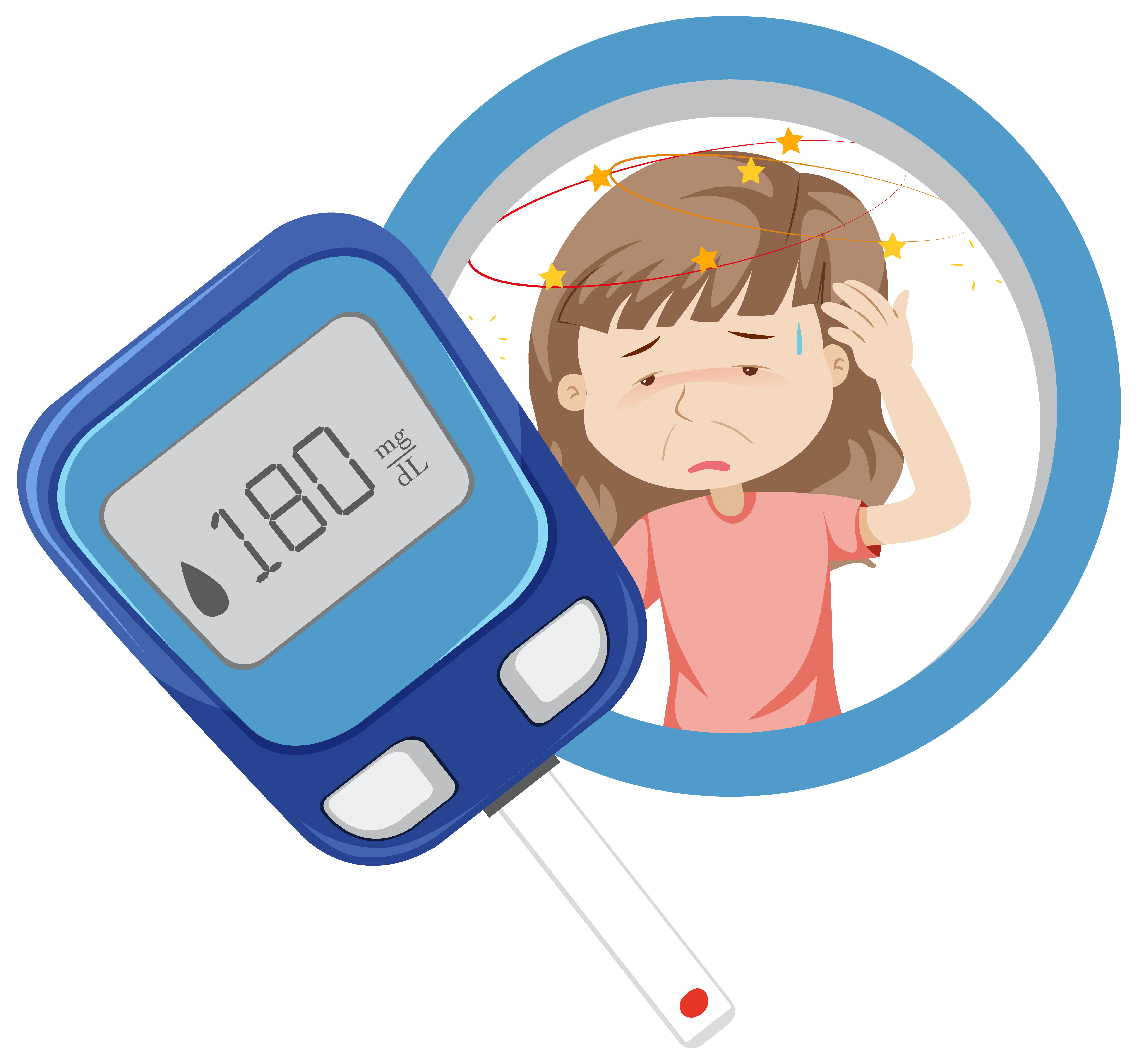
Insulin resistance occurs when the body’s cells—primarily muscle, liver, and adipose tissue—do not respond effectively to insulin. As a result, glucose cannot efficiently enter the cells, leading to elevated blood glucose levels. To compensate, the pancreas secretes more insulin, causing hyperinsulinemia.
Over time, this compensatory mechanism fails, increasing the risk of prediabetes, type 2 diabetes, PCOS, metabolic syndrome, and cardiovascular disease.
Physiology of Insulin Resistance
Under normal conditions, insulin binds to insulin receptors on the cell surface, activating intracellular signaling pathways (such as PI3K–Akt pathway) that facilitate glucose uptake via GLUT-4 transporters.
In insulin resistance:
- Insulin receptor signaling becomes impaired
- GLUT-4 translocation is reduced
- Glucose uptake by muscles decreases
- The liver continues glucose production despite high insulin
- Fat tissue releases excess free fatty acids
This leads to:
- Chronic hyperglycemia
- Elevated insulin levels
- Increased fat storage, especially visceral fat
- Low-grade systemic inflammation
Where Does Insulin Resistance Start?
Insulin resistance often begins silently and gradually, influenced by multiple metabolic and lifestyle factors:
1. Excess Visceral Fat
Abdominal fat releases inflammatory cytokines (TNF-α, IL-6) and free fatty acids that disrupt insulin signaling.
2. High Refined Carbohydrate Intake
Frequent consumption of sugar, white flour, sweetened beverages, and ultra-processed foods causes repeated insulin spikes, overworking insulin receptors.
3. Sedentary Lifestyle
Physical inactivity reduces insulin sensitivity in skeletal muscles, the primary site for glucose disposal.
4. Chronic Stress and Poor Sleep
Elevated cortisol increases hepatic glucose output and worsens insulin resistance.
5. Hormonal Imbalances
Conditions like PCOS, hypothyroidism, and chronic inflammation accelerate insulin resistance, especially in women.
Can Insulin Resistance Be Reversed?
Yes—insulin resistance is reversible, especially in its early stages. Among all lifestyle interventions, diet plays the most powerful role.
How Diet Helps Reverse Insulin Resistance
1. Low Glycemic Load Nutrition
Choosing foods that cause slower glucose release reduces insulin demand:
- Whole grains (millets, oats)
- Legumes and pulses
- Non-starchy vegetables
This improves insulin receptor sensitivity over time.
2. Balanced Macronutrients
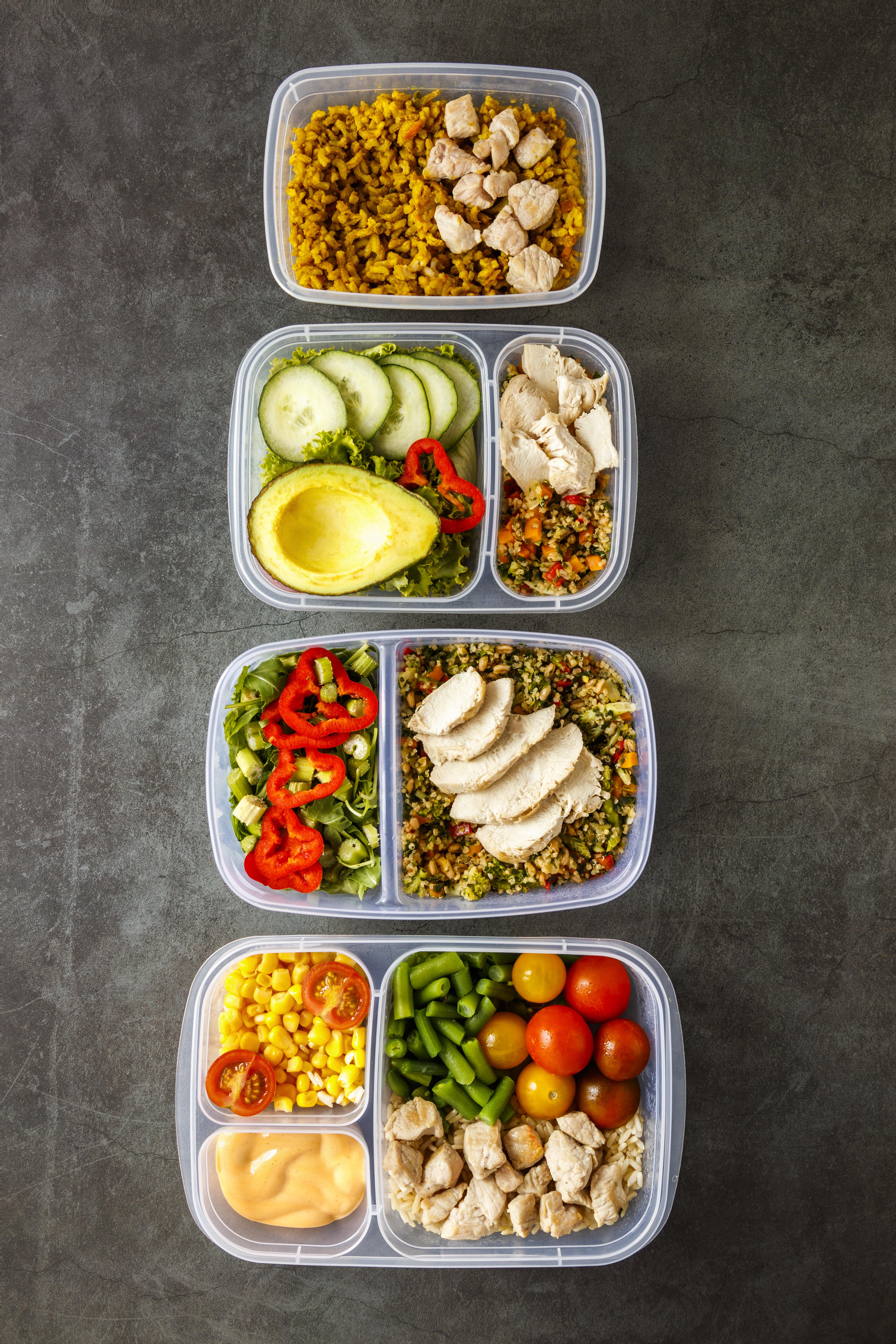
Meals combining protein, fiber, and healthy fats slow glucose absorption:
- Protein enhances satiety and muscle glucose uptake
- Healthy fats reduce post-meal glucose spikes
Examples:
- Dal with vegetables and ghee
- Eggs with sautéed greens
- Curd alternatives with seeds and nuts
3. Reduce Refined Sugars and Ultra-Processed Foods
Eliminating sugar, bakery items, packaged snacks, and sweetened drinks significantly reduces insulin overload and inflammation.
4. Improve Gut Health
A healthy gut microbiome improves insulin signaling:
- Prebiotic fiber (vegetables, seeds)
- Fermented foods (as tolerated)
- Anti-inflammatory spices (turmeric, ginger, cinnamon)
5. Time-Restricted Eating and Meal Spacing
Avoiding constant snacking allows insulin levels to fall between meals, restoring receptor sensitivity.
6. Micronutrients That Support Insulin Action
- Magnesium improves glucose uptake
- Chromium enhances insulin signaling
- Vitamin D deficiency is strongly linked with insulin resistance
Correcting deficiencies supports metabolic recovery.
Long-Term Benefits of Dietary Insulin Sensitization
A structured insulin-sensitizing diet can:
- Lower fasting insulin levels
- Improve HbA1c and lipid profile
- Reduce abdominal fat
- Restore ovulatory function in PCOS
- Prevent progression to type 2 diabetes
Final Thoughts
Insulin resistance is not a disease—it is a reversible metabolic warning sign. Early dietary intervention, grounded in physiology, can restore insulin sensitivity and prevent lifelong metabolic disorders. Personalized nutrition, rather than extreme dieting, remains the most sustainable path to metabolic health.
💡 Looking for a personalized insulin-resistance reversal plan?
We design science-based, culturally appropriate diet plans tailored to insulin resistance, PCOS, prediabetes, and metabolic syndrome.