
Prediabetes is a metabolic warning stage where blood glucose levels are higher than normal but not yet in the diabetic range. Although often silent, prediabetes reflects significant underlying physiological changes. The good news is that prediabetes is reversible, especially when addressed early through targeted dietary and lifestyle modifications.
Understanding the Physiology of Prediabetes
Prediabetes develops due to a combination of insulin resistance and beta-cell dysfunction.
1. Insulin Resistance – The First Step
In healthy individuals, insulin allows glucose to enter muscle, liver, and fat cells for energy. In prediabetes:
- Body cells become less responsive to insulin
- Glucose uptake by muscles decreases
- Liver continues to release glucose despite adequate insulin
- Blood glucose levels remain mildly elevated
This insulin resistance initially occurs at the post-meal level, progressing later to fasting hyperglycemia.
2. Compensatory Hyperinsulinemia
To overcome insulin resistance, the pancreas increases insulin secretion. This leads to:
- High circulating insulin levels
- Temporary maintenance of near-normal glucose
- Increased fat storage, especially visceral fat
Over time, pancreatic beta cells become overworked and fatigued.
3. Beta-Cell Dysfunction
As insulin resistance persists:
- Beta cells lose their ability to respond effectively to glucose
- First-phase insulin release (rapid insulin after meals) is impaired
- Postprandial glucose spikes become more pronounced
This marks the transition from normal glucose tolerance to prediabetes.
4. Role of Inflammation and Hormones
Chronic low-grade inflammation, excess free fatty acids, stress hormones (cortisol), and disrupted gut microbiota further worsen insulin signaling. Conditions like obesity, PCOS, hypothyroidism, fatty liver, and sedentary lifestyle significantly increase the risk.
Where Does Prediabetes Start?
Prediabetes often begins years before diagnosis, triggered by:
- Excess refined carbohydrates and sugar intake
- Frequent snacking and irregular meal timing
- Sedentary lifestyle
- Poor sleep and chronic stress
- Abdominal obesity
- Family history of diabetes
Early biochemical signs include:
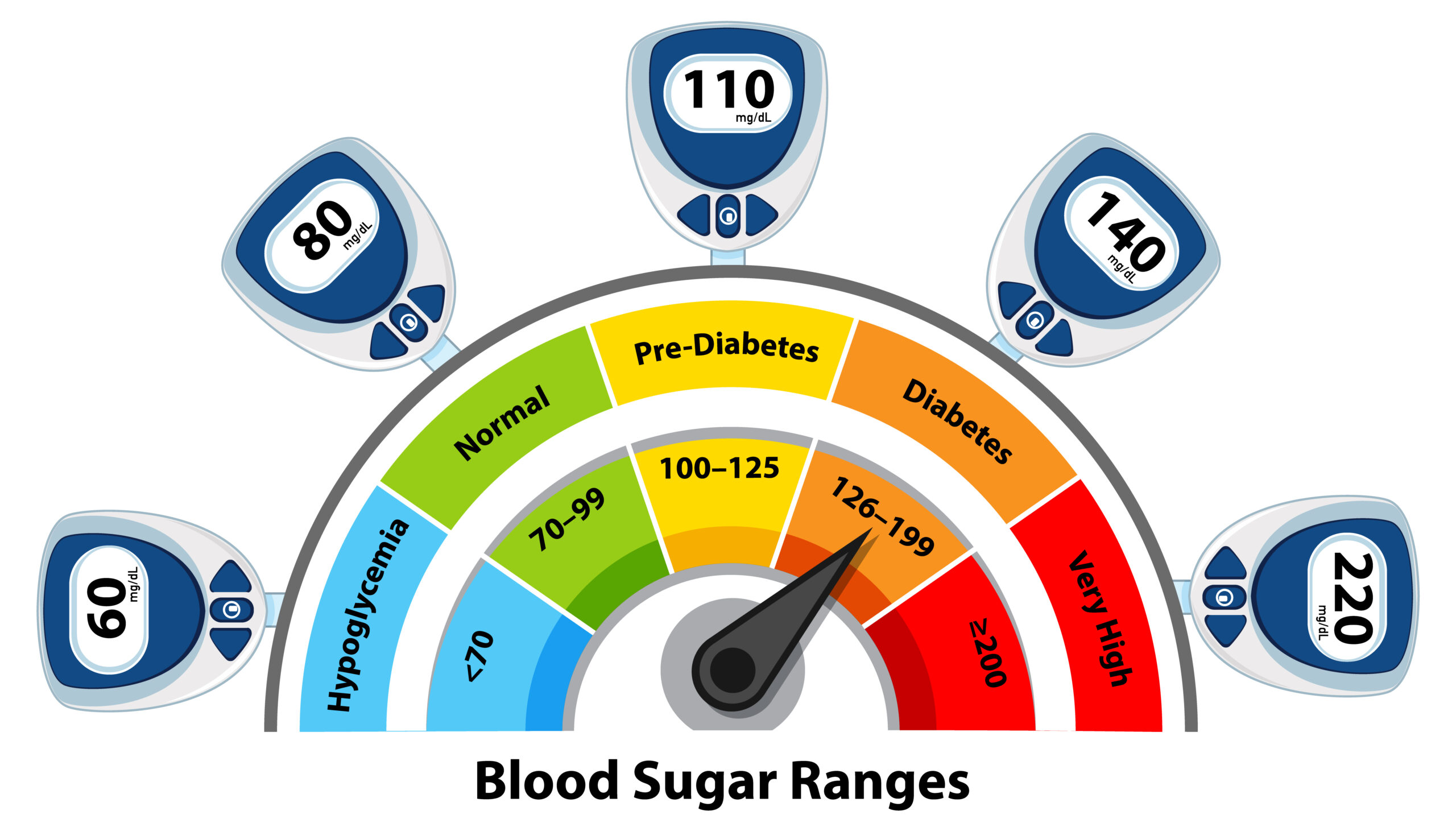
- Elevated fasting glucose (100–125 mg/dL)
- Elevated HbA1c (5.7–6.4%)
- Increased triglycerides
- Low HDL cholesterol
- Mildly elevated blood pressure
How Diet Can Help Reverse Prediabetes
Diet plays a central role in reversing insulin resistance and restoring metabolic balance.
1. Improving Insulin Sensitivity
A balanced, low-glycemic diet:
- Reduces glucose spikes
- Decreases insulin demand
- Improves muscle glucose uptake
- Lowers visceral fat
Key dietary focus:
- Complex carbohydrates
- Adequate protein
- Healthy fats
2. Stabilizing Blood Glucose Levels
Replacing refined carbs with high-fiber foods slows glucose absorption and improves post-meal glucose control.
Examples:
- Whole grains (millets, oats)
- Pulses and legumes (portion-controlled)
- Vegetables and leafy greens
- Seeds and nuts
3. Supporting Beta-Cell Health
Certain nutrients help protect pancreatic beta cells:
- Magnesium
- Zinc
- Omega-3 fatty acids
- Antioxidants (vitamin C, polyphenols)
Anti-inflammatory foods reduce oxidative stress on beta cells and delay disease progression.
4. Reducing Chronic Inflammation
Anti-inflammatory dietary patterns help reverse metabolic dysfunction:
- Use of spices like turmeric, cinnamon, ginger
- Adequate omega-3 intake
- Limiting ultra-processed foods and trans fats
5. Regulating Gut Microbiota
Dietary fiber and fermented foods improve gut health, which directly influences insulin sensitivity and glucose metabolism.
Can Prediabetes Be Reversed?
Yes. Multiple studies show that structured dietary intervention, along with physical activity and weight management, can:
- Normalize blood glucose levels
- Improve insulin sensitivity
- Reduce HbA1c
- Prevent progression to type 2 diabetes
In many individuals, lifestyle-based intervention is more effective than medication in early stages.
Key Takeaway
Prediabetes is not a disease—it is a window of opportunity. Understanding the underlying physiology helps us address the root cause rather than just controlling numbers. With the right diet, meal timing, and lifestyle changes, prediabetes can be effectively reversed, restoring metabolic health and preventing long-term complications.