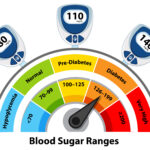

Type 1 Diabetes Mellitus (T1DM) is a chronic autoimmune condition that requires lifelong management. Unlike Type 2 diabetes, which is strongly influenced by lifestyle factors, Type 1 diabetes primarily involves complete or near-complete insulin deficiency. Understanding the physiology of Type 1 diabetes and the critical role of diet is essential for achieving optimal glycemic control, preventing complications, and improving quality of life.
Physiology of Type 1 Diabetes
Autoimmune Destruction of Beta Cells
In Type 1 diabetes, the immune system mistakenly attacks and destroys the beta cells of the pancreas, which are responsible for insulin production. As a result:
- Insulin secretion becomes absent or insufficient
- Glucose cannot efficiently enter body cells
- Blood glucose levels rise (hyperglycemia)
Role of Insulin in Normal Metabolism
Insulin is a key anabolic hormone required for:
- Glucose uptake by muscle and adipose tissue
- Glycogen synthesis in liver and muscles
- Fat storage and inhibition of fat breakdown
- Protein synthesis
Without insulin:
- Cells remain “energy starved” despite high blood glucose
- Fat and muscle breakdown increases
- Ketone production rises, increasing risk of diabetic ketoacidosis (DKA)
Metabolic Changes in Type 1 Diabetes
When insulin is deficient:
- Carbohydrate metabolism: Glucose stays in the bloodstream
- Fat metabolism: Increased lipolysis → ketone formation
- Protein metabolism: Muscle protein breakdown → weight loss
- Electrolyte imbalance: Loss of sodium, potassium, and fluids
This explains classic symptoms such as:
- Excessive thirst (polydipsia)
- Frequent urination (polyuria)
- Weight loss
- Fatigue and weakness
Why Diet Is Crucial in Type 1 Diabetes
Diet is not just supportive—it is therapeutic in Type 1 diabetes. Since insulin is externally administered, food intake must be synchronized with insulin dose.
Goals of Medical Nutrition Therapy in Type 1 Diabetes
- Maintain stable blood glucose levels
- Prevent acute complications (hypoglycemia & DKA)
- Support normal growth in children and adolescents
- Reduce long-term complications (neuropathy, nephropathy, retinopathy)
Importance of Carbohydrate Management
Carbohydrate Counting
Carbohydrates have the greatest impact on post-meal blood glucose. Accurate carbohydrate counting helps:
- Match insulin dose to food intake
- Reduce glucose variability
- Improve HbA1c levels
Low-glycemic index (GI) carbohydrates are preferred as they:
- Slow glucose absorption
- Reduce post-meal glucose spikes
- Improve insulin efficiency
Examples include:
- Whole grains (millets, oats)
- Pulses and legumes
- Non-starchy vegetables
Role of Proteins and Fats
Proteins
- Help maintain muscle mass
- Slow gastric emptying
- Prevent sudden glucose fluctuations
Recommended sources:
- Eggs, lean meat, fish
- Paneer, curd, tofu
- Pulses and dal
Healthy Fats
- Improve satiety
- Support hormone balance
- Reduce inflammation
Preferred fats:
- Nuts and seeds
- Olive oil, mustard oil
- Fatty fish (omega-3 rich)
Meal Timing and Consistency
Regular meal timing is essential in Type 1 diabetes to:
- Prevent hypoglycemia
- Match insulin action profile
- Improve metabolic stability
Skipping meals or inconsistent eating patterns can lead to:
- Sudden blood sugar drops
- Insulin-food mismatch
Micronutrients and Hydration
Deficiencies commonly seen in Type 1 diabetes include:
- Magnesium
- Vitamin D
- B-complex vitamins
- Zinc
Adequate hydration is necessary to:
- Prevent dehydration
- Support kidney function
- Reduce risk of ketone accumulation
Special Dietary Considerations
- Adjust carbohydrate intake during physical activity
- Modify meals during illness (“sick day management”)
- Monitor sodium and potassium if kidney involvement exists
- Individualized plan based on age, activity level, and insulin regimen
Diet + Insulin = Balanced Control
Insulin therapy alone cannot manage Type 1 diabetes effectively without proper dietary planning. Similarly, diet without insulin is insufficient. The synergy between insulin dosing, food choices, carbohydrate timing, and lifestyle forms the foundation of successful Type 1 diabetes management.
Conclusion
Understanding the physiology of Type 1 diabetes highlights why dietary planning is not optional—it is essential. A well-planned diet helps:
- Maintain stable blood glucose
- Prevent complications
- Improve energy levels and overall well-being
Individualized nutrition therapy, guided by a qualified clinical dietitian, can empower people with Type 1 diabetes to lead a healthy, active, and fulfilling life.